In this monthly roundup, leadership changes across the global beauty and personal care industry reflect an increasing emphasis on operational efficiency, financial discipline, digital transformation and international growth. From boardroom appointments and executive succession to legal oversight and emerging retail channels, companies are strengthening their leadership teams to navigate an increasingly complex commercial environment while positioning their businesses for long-term success.
Operational leadership is taking centre stage at some of the industry’s largest luxury and beauty groups. LVMH appointed Alexandre Oulès as Chief Operating Officer of its Beauty Division, reinforcing the importance of operational excellence as the group continues to develop its fragrance and cosmetics portfolio. The appointment reflects the growing need for coordinated management across global brands, manufacturing operations and international distribution networks.
Financial leadership is also undergoing change. Coty appointed Soraya Benchikh as Chief Financial Officer amid its ongoing business transformation, placing new leadership behind financial strategy as the company seeks to improve performance and strengthen its operating model. The appointment highlights the increasingly important role of finance executives in managing restructuring, capital allocation and long-term profitability.
Corporate transformation is driving leadership changes elsewhere. Oriflame appointed Kenneth Benaim Campbell as CEO, marking a new chapter for the beauty and wellness company as it continues to navigate changing market conditions and evolve its business model. The appointment places fresh leadership behind efforts to strengthen commercial performance and support future growth.
Boardroom expertise remains another priority. Ulta Beauty appointed Brieane Olson, CEO of PacSun, to its Board of Directors, bringing experience in retail, consumer engagement and brand development. As beauty retailers compete for younger consumers and adapt to evolving shopping habits, expertise from adjacent retail sectors is becoming increasingly valuable.
Legal and regulatory leadership is also receiving greater attention. Johnson & Johnson appointed Aviva Wein as Global Vice President of Litigation, strengthening its senior legal team as the company continues to manage complex legal matters. Meanwhile, Kimberly-Clark appointed Suzana Blades as General Counsel ahead of its planned acquisition of Kenvue, reinforcing the importance of legal oversight and corporate governance during major transactions.
Leadership succession is shaping the strategic direction of global consumer goods companies. Procter & Gamble (P&G) appointed Shailesh Jejurikar as Chairman following its leadership transition, marking another significant step in the evolution of the group’s executive structure. The move highlights the importance of continuity and long-term planning as multinational businesses navigate changing consumer demand and competitive pressures.
At L’Oréal, the appointment of Rahquel Purcell as North America DE&I Chief reflects the group’s continued investment in organisational leadership and workplace strategy. As global beauty businesses operate across increasingly diverse markets, leadership structures are evolving to address talent development, inclusion and corporate culture alongside commercial performance.
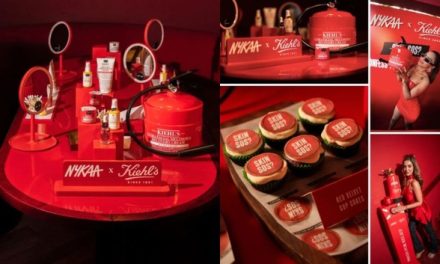
Digital commerce is creating new leadership requirements. Nykaa appointed a former Instamart executive to lead its quick commerce expansion, demonstrating how India’s beauty retail market is adapting to growing consumer expectations around convenience and rapid delivery. The appointment reflects the increasing overlap between traditional beauty retail, ecommerce and on-demand fulfilment as companies seek to capture new purchasing occasions.
Brand communications also remain central to competitive positioning. The Estée Lauder Companies appointed Madeleine Boyd to lead global brand communications, strengthening its ability to manage brand storytelling and consumer engagement across international markets. As beauty brands navigate a fragmented media environment, strategic communications leadership is becoming increasingly important to maintaining relevance and protecting brand equity.
Taken together, this monthly roundup demonstrates that executive appointments are increasingly being shaped by the strategic challenges facing the beauty and personal care industry. Operational efficiency, financial transformation, legal governance, digital commerce and brand communications are all influencing leadership decisions. In 2026, the companies best positioned for long-term growth will be those that combine experienced leadership with the flexibility to respond to changing markets, technologies and consumer expectations.